Articles
47 cooking tips, guides & more
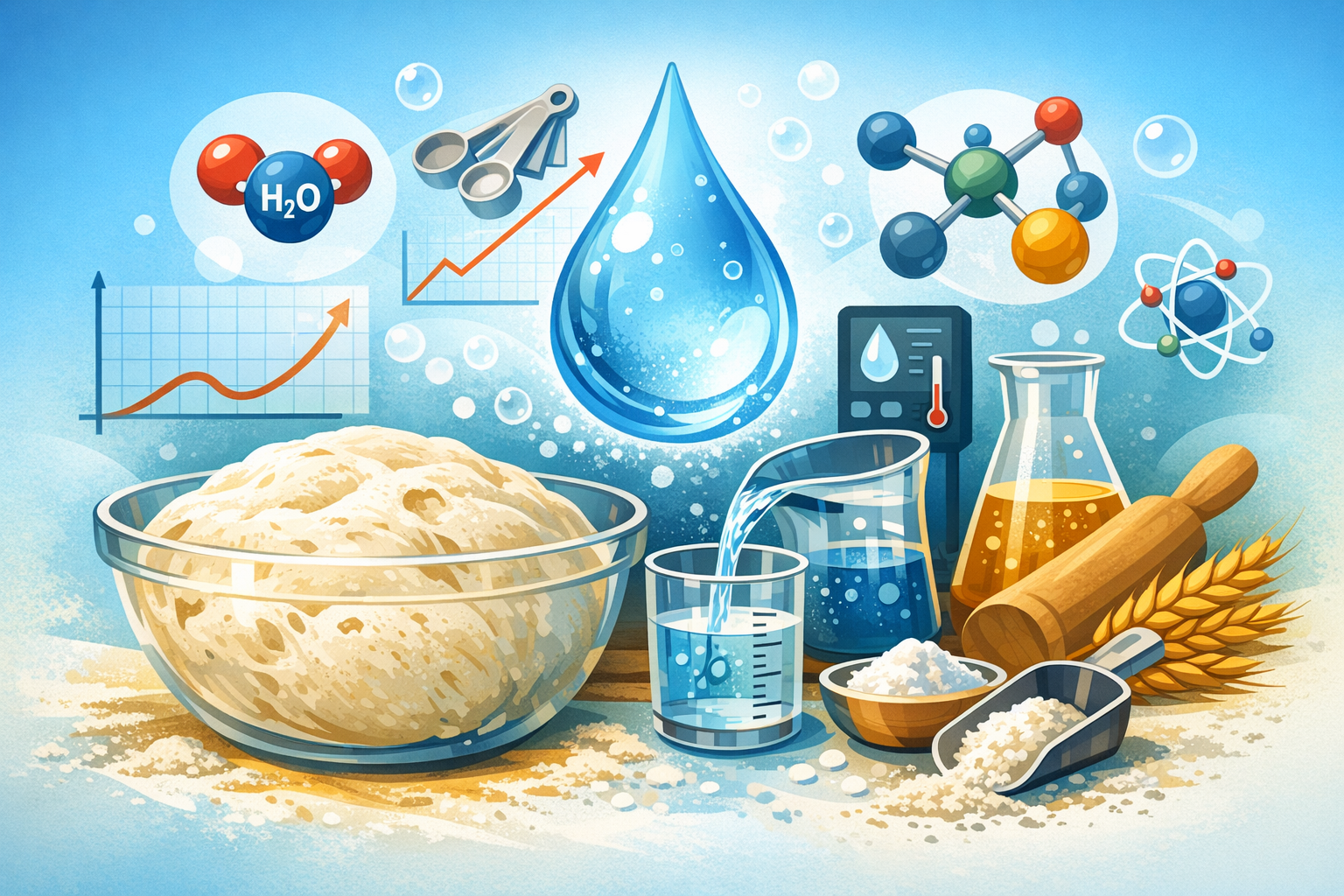
The Science of Dough Hydration
Every great loaf of bread begins with a ratio. Not a recipe, not a technique, not even a specific fl...
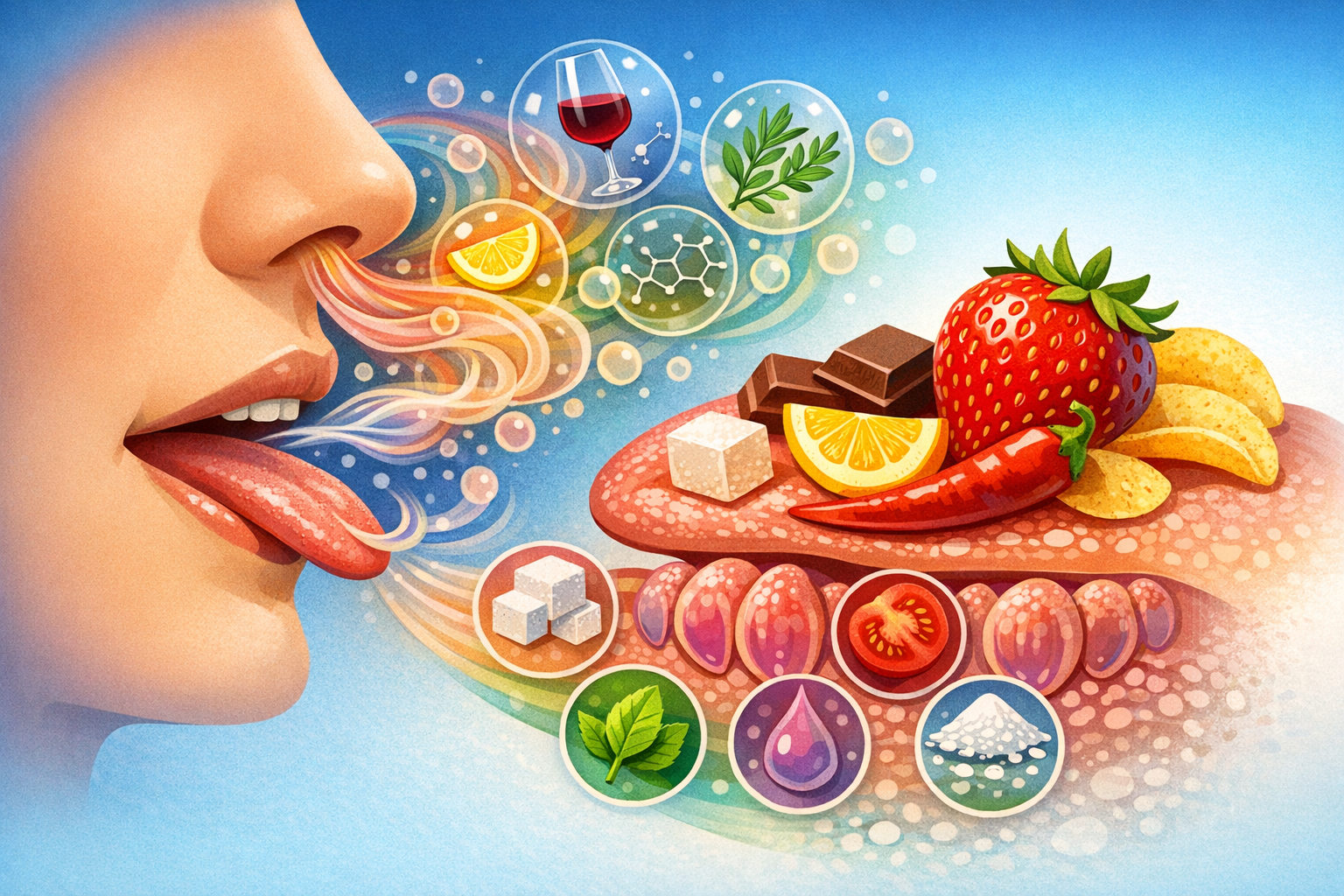
The Biology of Flavor: How Your Tongue and Nose Actually Taste Food
Close your eyes and think about biting into a fresh strawberry. You can almost taste it: sweet, slig...
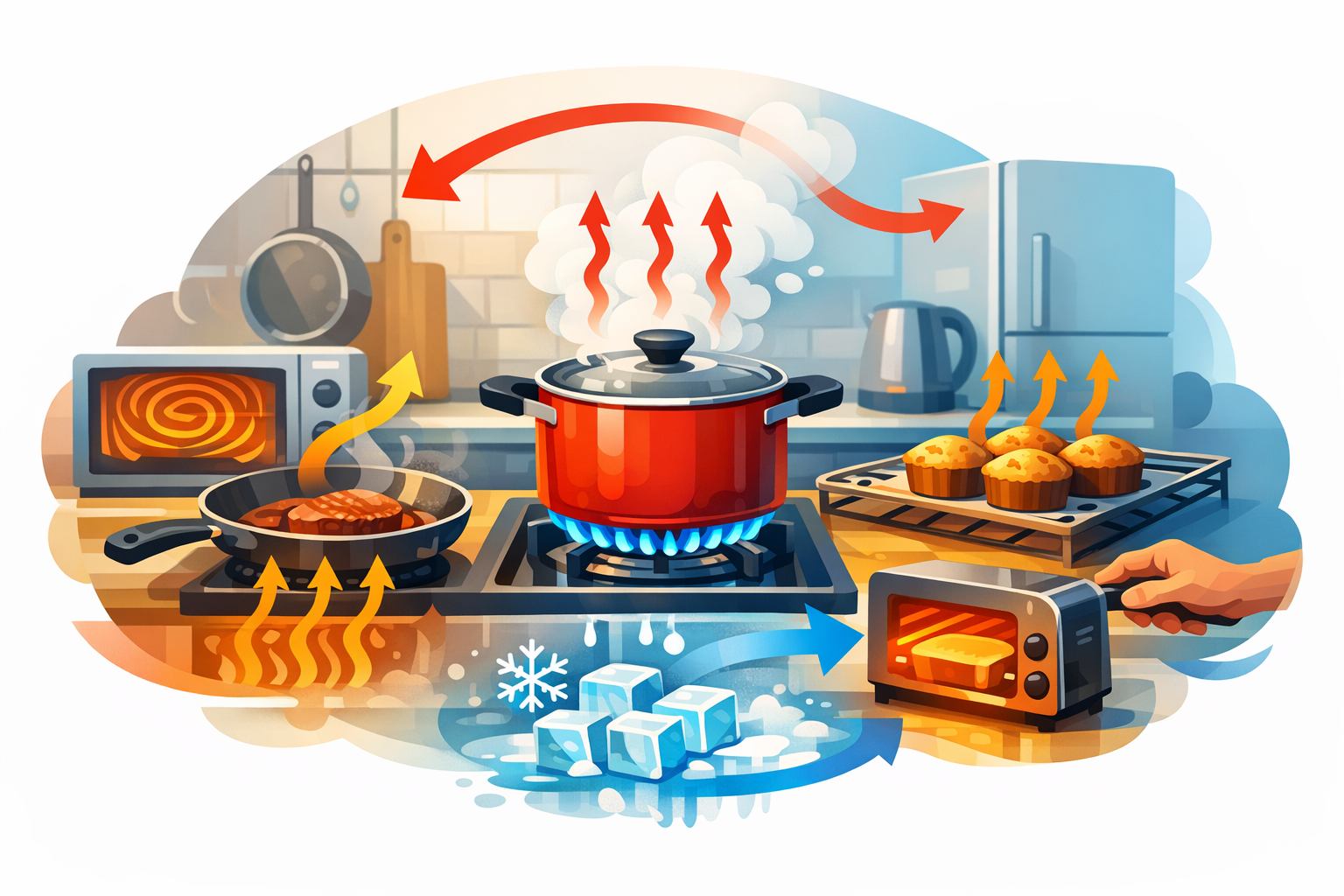
Understanding Heat Transfer in Your Kitchen
Every cooking technique ever invented is, at its core, a method of transferring thermal energy from ...
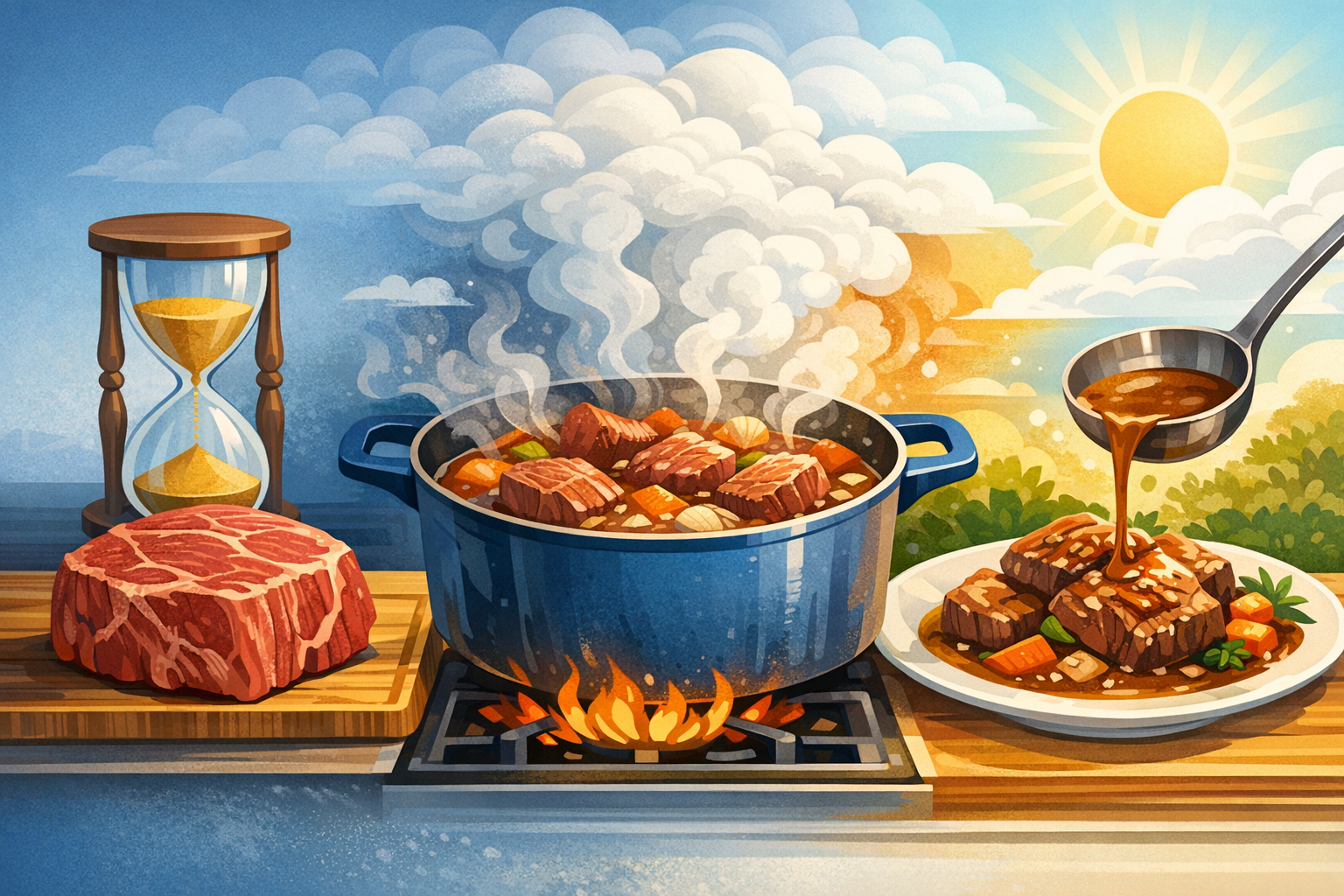
Braising Explained: How Time and Moisture Transform Tough Cuts
There is a quiet alchemy that happens inside a covered pot over low heat. A chunk of beef chuck, pra...
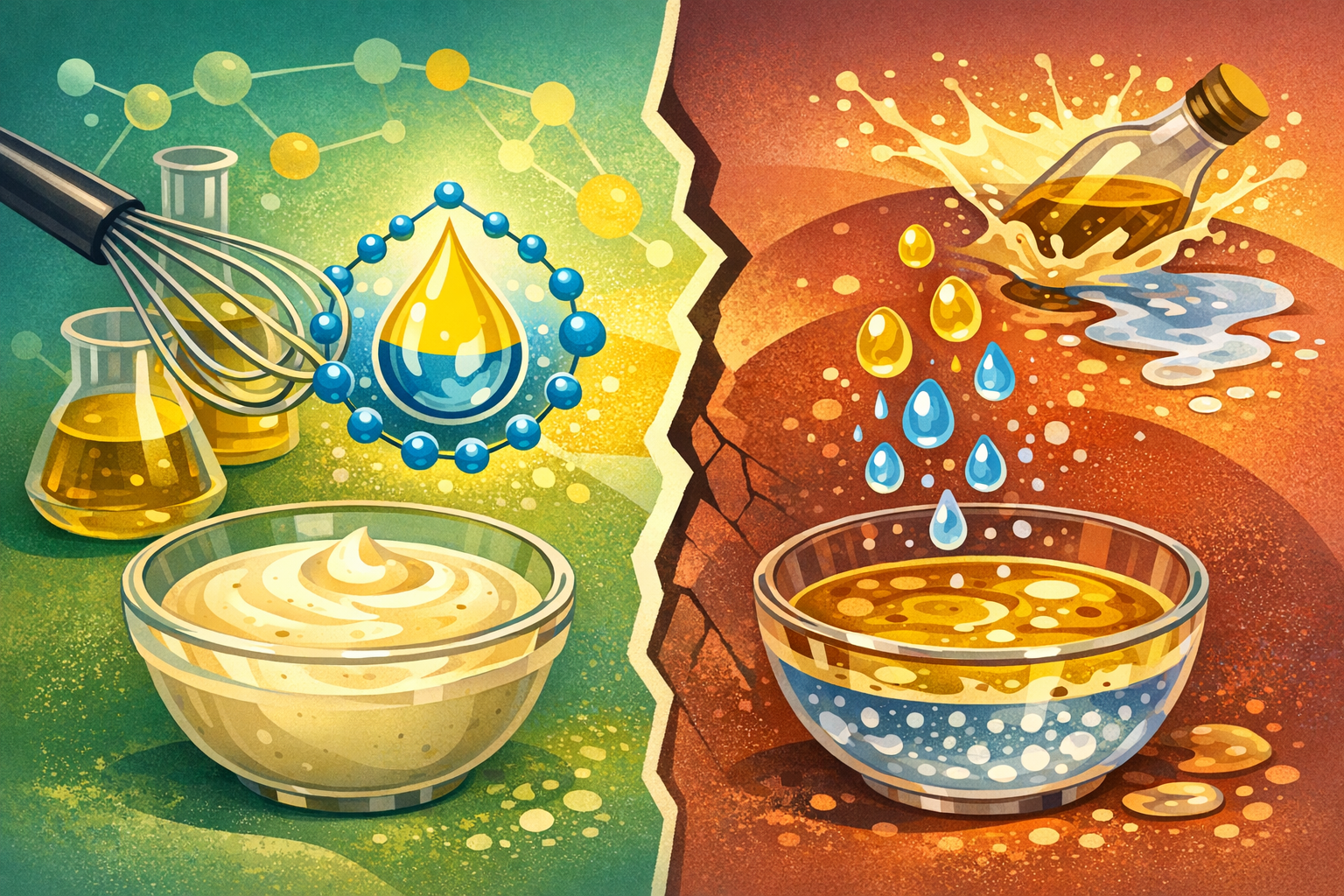
The Science of Emulsions: Why Sauces Hold Together or Fall Apart
Oil and water don't mix. Everyone knows this. But some of the most essential preparations in cooking...
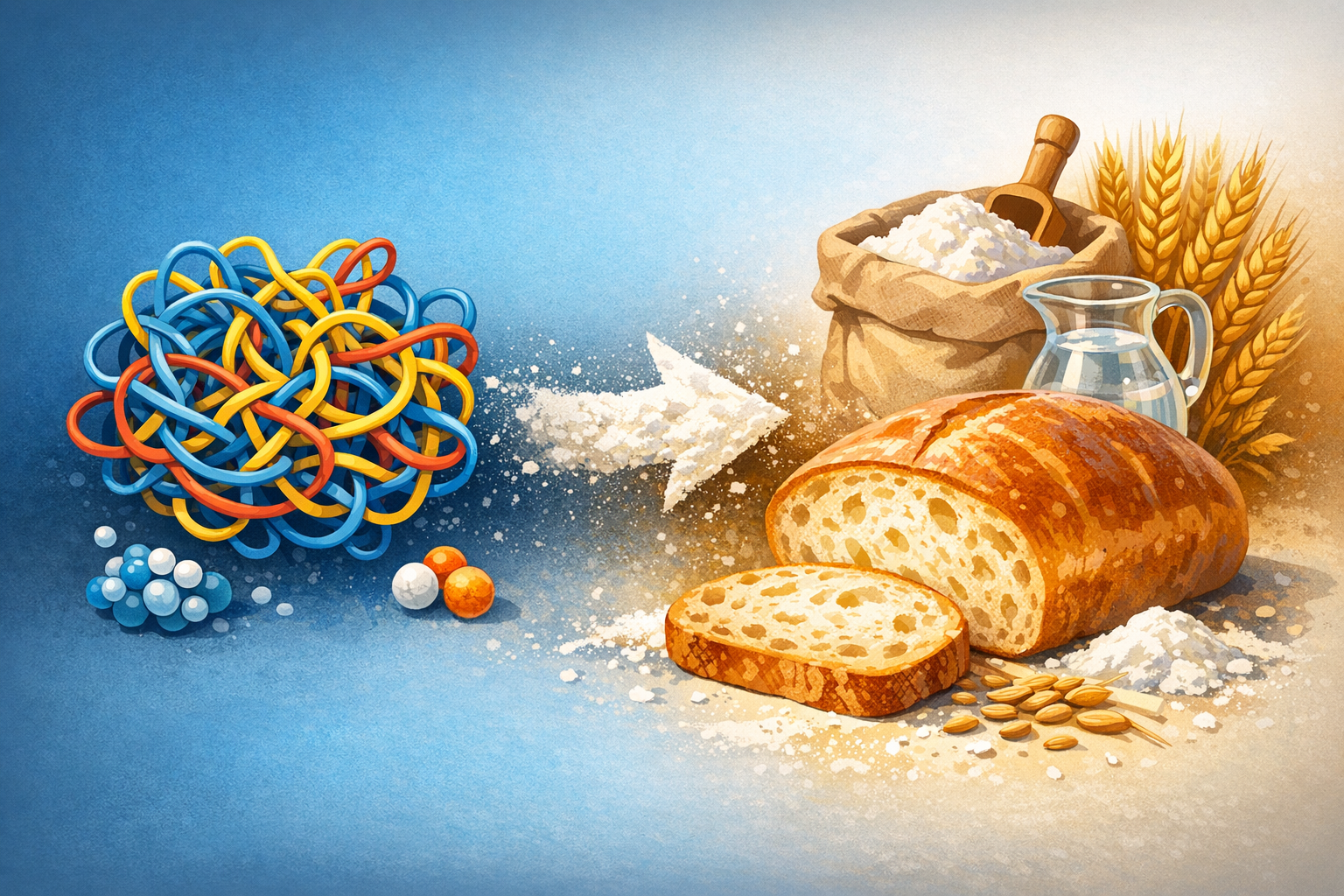
How Gluten Works: The Protein That Makes Bread Possible
Gluten is the most misunderstood ingredient in cooking. Millions of people avoid it without medical ...
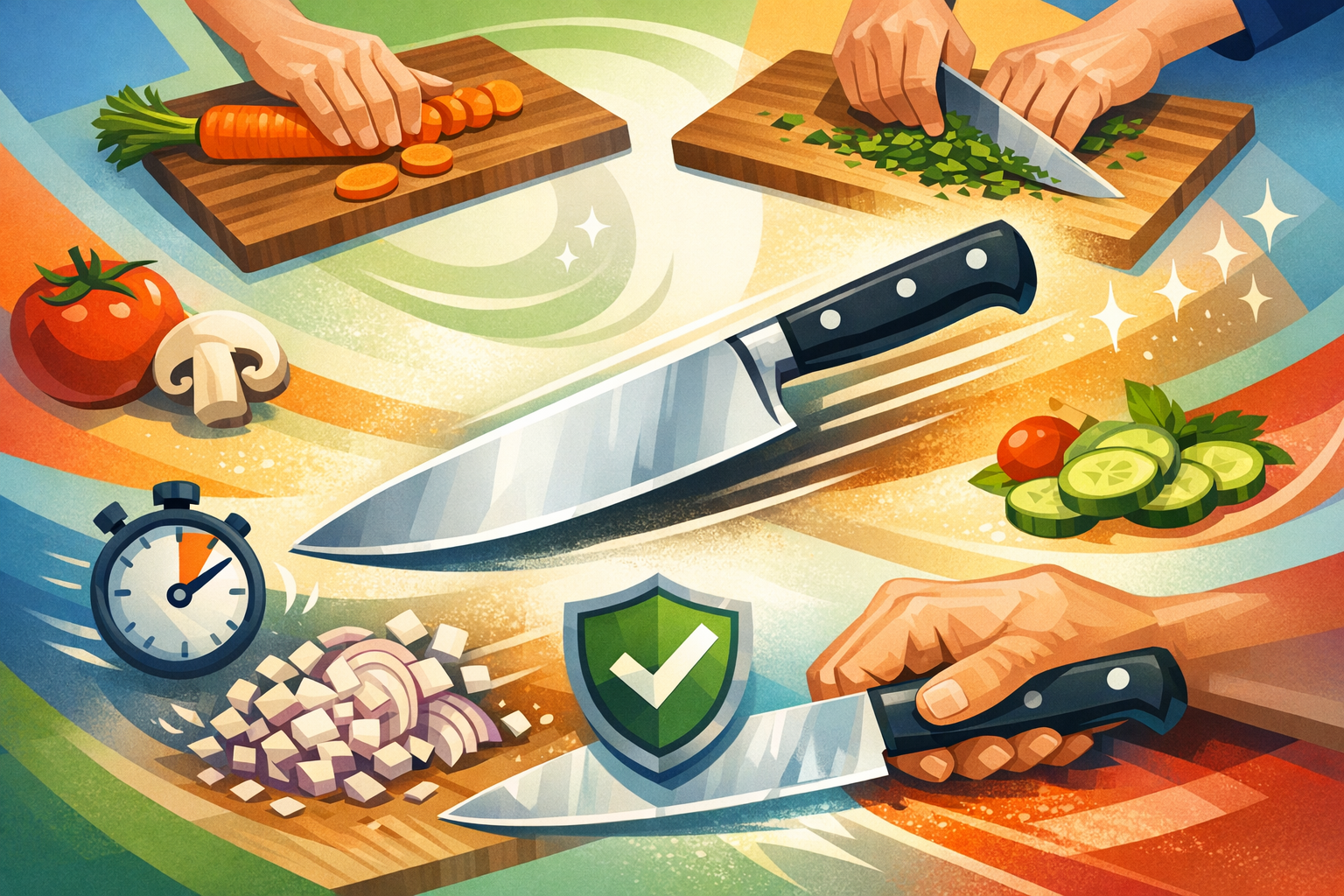
Mastering Knife Skills: Techniques That Make You Faster and Safer
Ask any professional chef what single skill separates competent home cooks from accomplished ones, a...
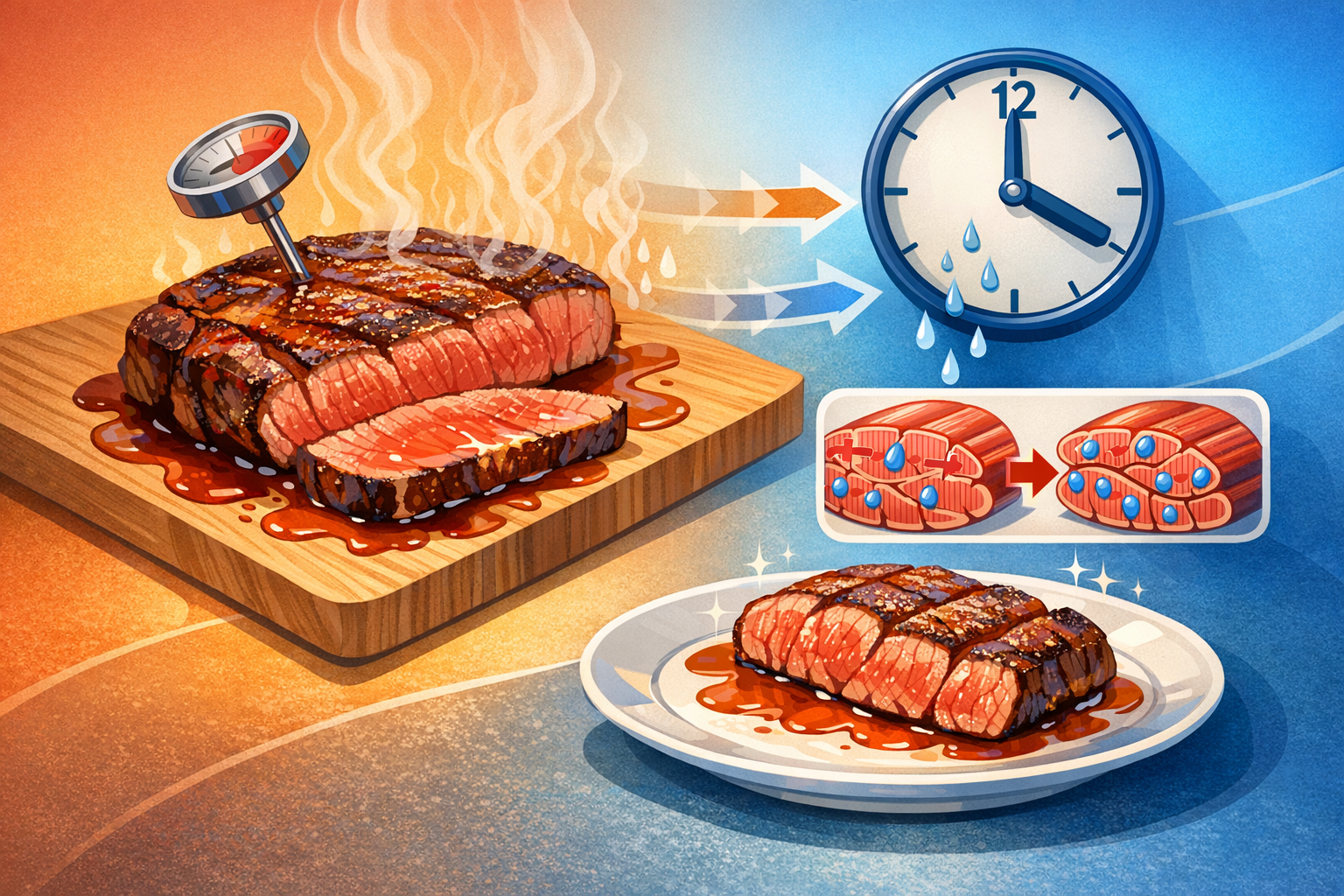
Why Resting Meat Matters: The Physics of Juicier Proteins
You've just pulled a beautifully seared steak off the grill. The crust is perfect, the internal temp...
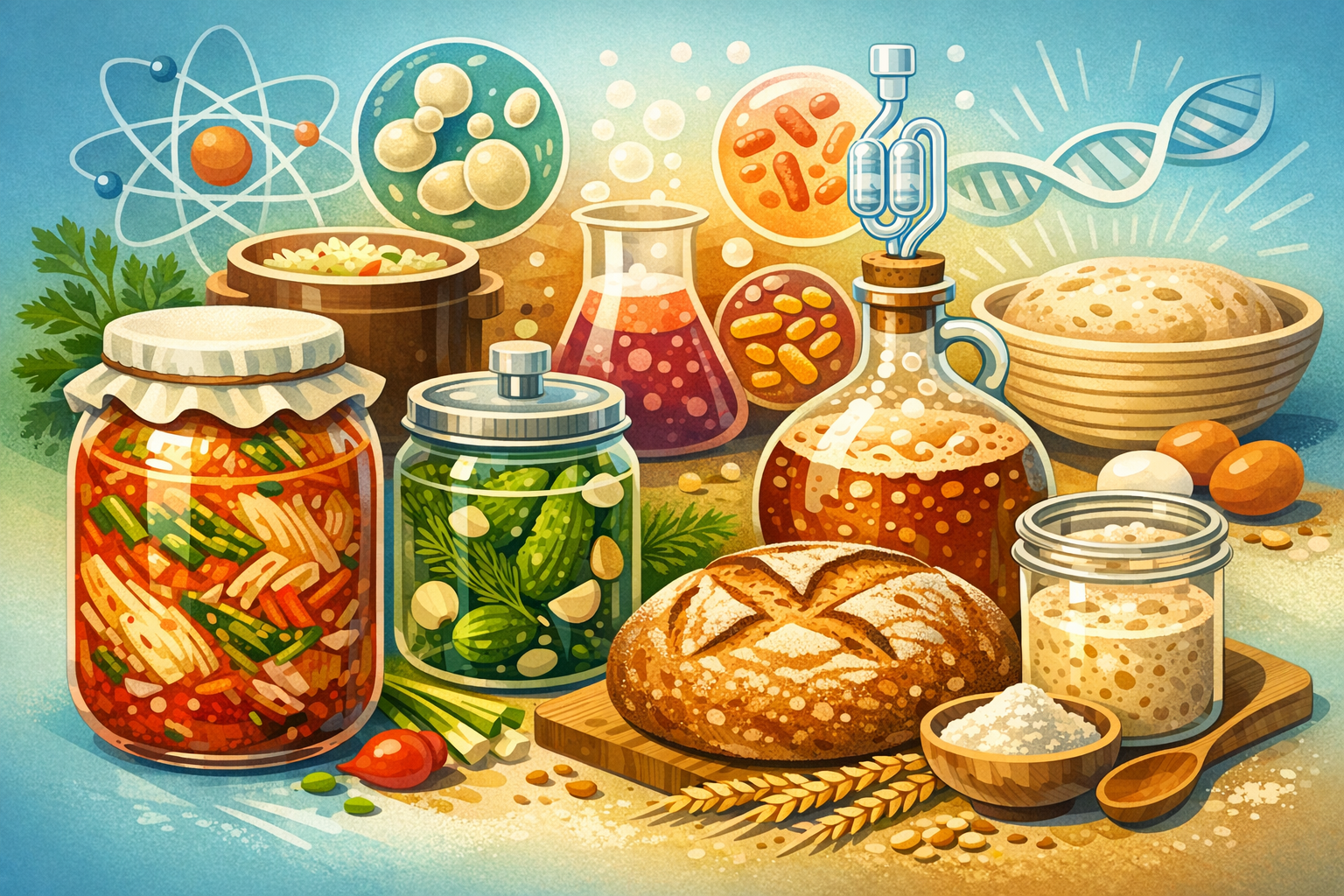
The Science of Fermentation at Home: From Kimchi to Sourdough
Fermentation is one of the oldest food technologies on Earth. Long before humans understood germ the...
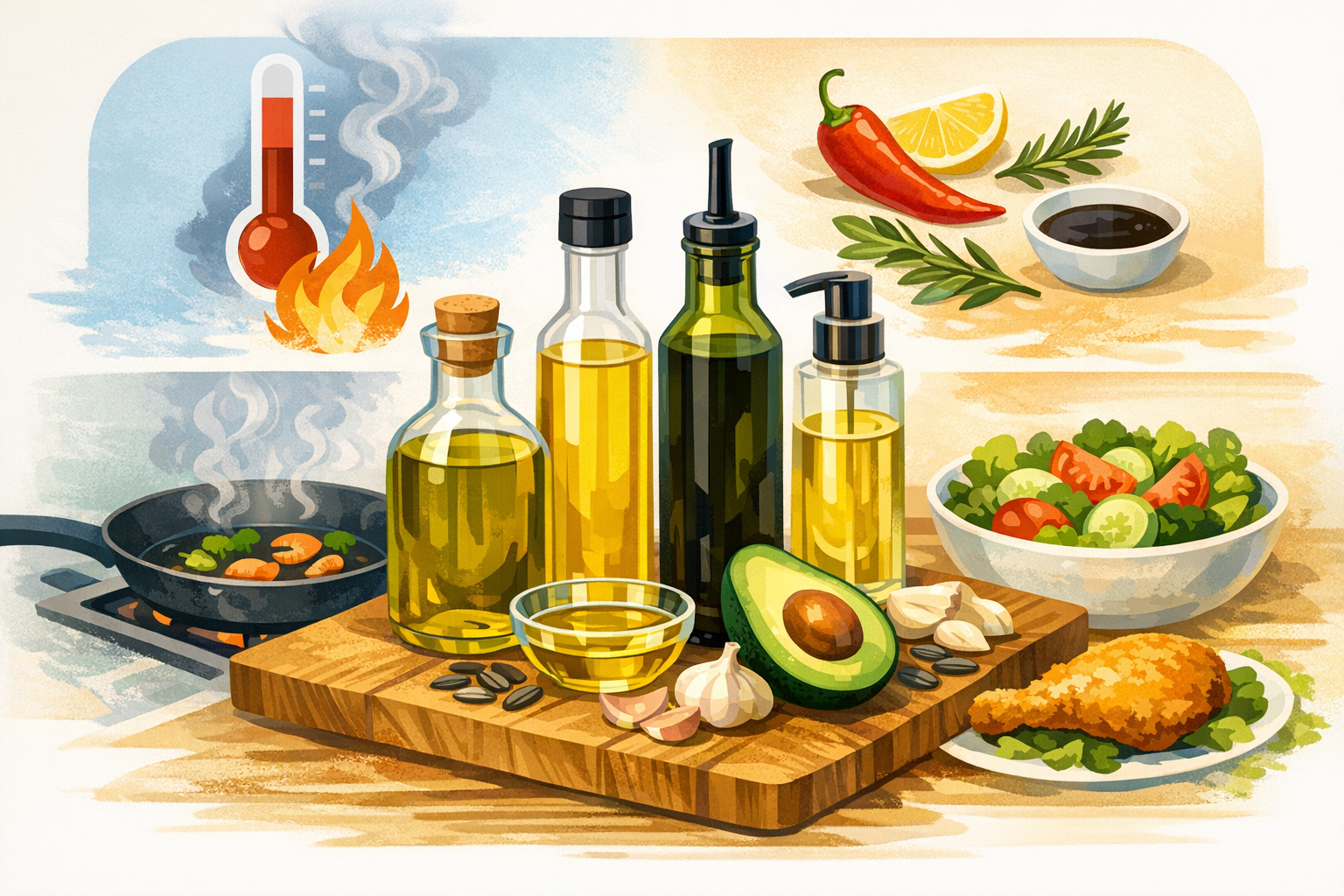
Cooking Oils Decoded: Smoke Points, Flavors, and When to Use Each
Walk into any well-stocked grocery store and you'll find an entire aisle dedicated to cooking oils. ...
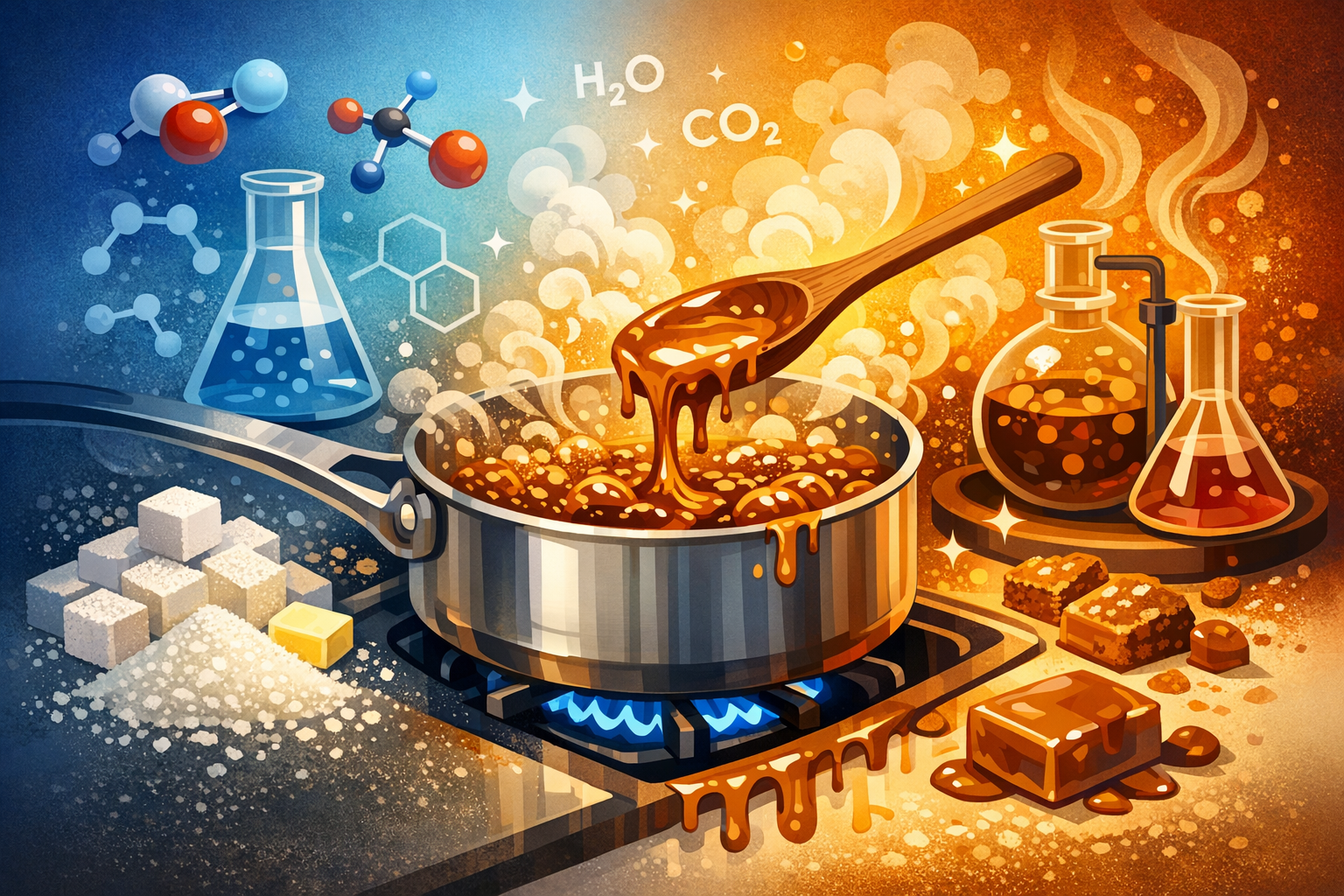
The Chemistry of Caramelization: Why Browning Changes Everything
Every cook has experienced the moment when pale, unassuming ingredients suddenly become something ex...
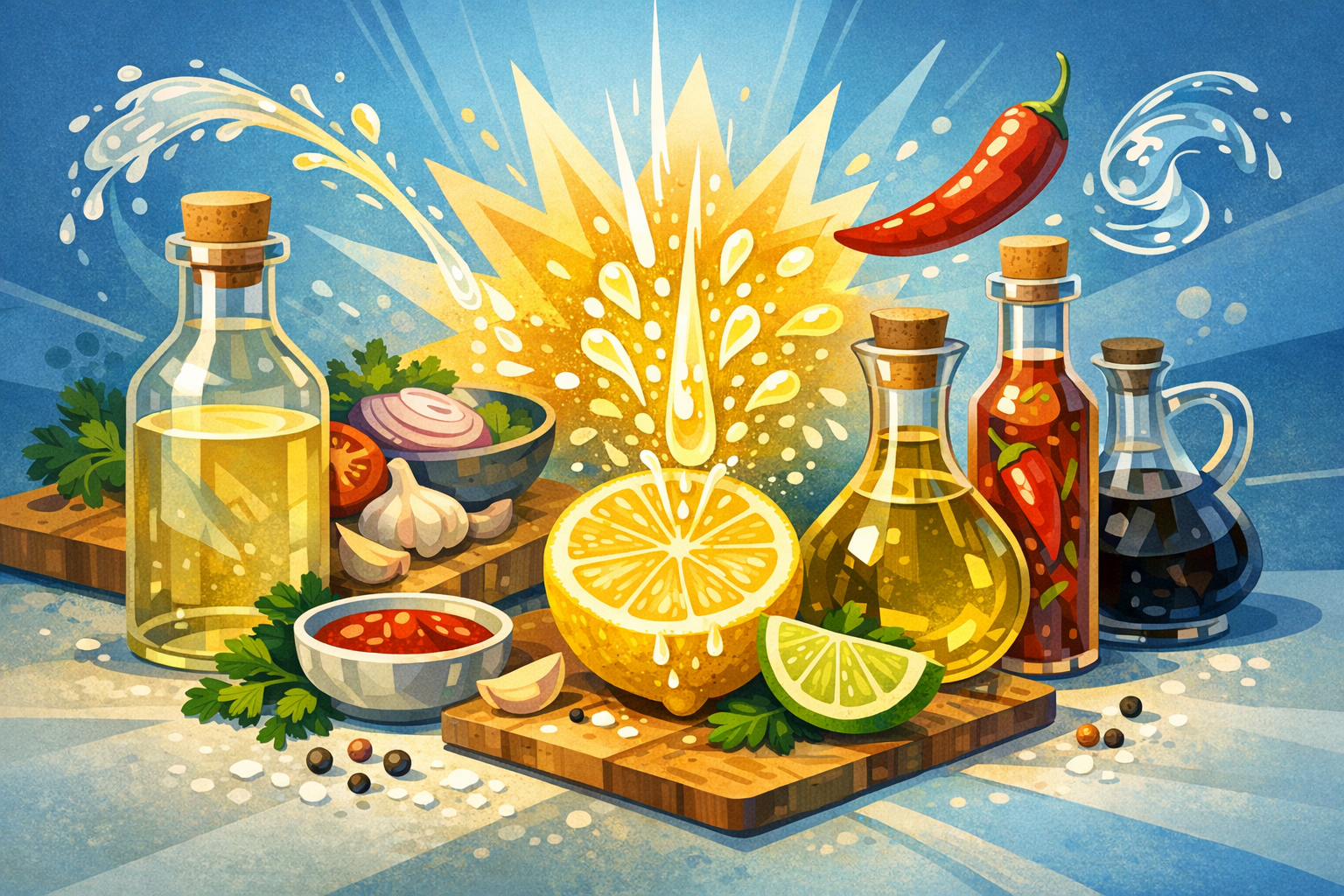
Why Acid Is Your Secret Weapon in the Kitchen
You've probably had the experience of cooking something that tastes fine, technically correct, prope...